
English| EUR
Suggested for you
More currencies
Choose a language
Rome keeps much of its cooking outside restaurant doors, on marble counters and market benches — what Romans call cibo di strada. Fry shops in Testaccio, bakeries near Campo de' Fiori and al taglio windows in Monti each work to a different clock. This Rome Street Food to Try guide explains where those clusters sit, and when each is worth the walk.
Quick answer
Rome's street food costs nothing to approach: the streets and markets sit at various locations across Rome, Italy, are open 00:00–23:59, and entry is 0 EUR, so you pay only for the food you buy. The best arrival window is 11:00–19:00, after the morning rush and before the evening peak, when fresh batches reach the counters. Most Rome street food tour routes are timed to that window.
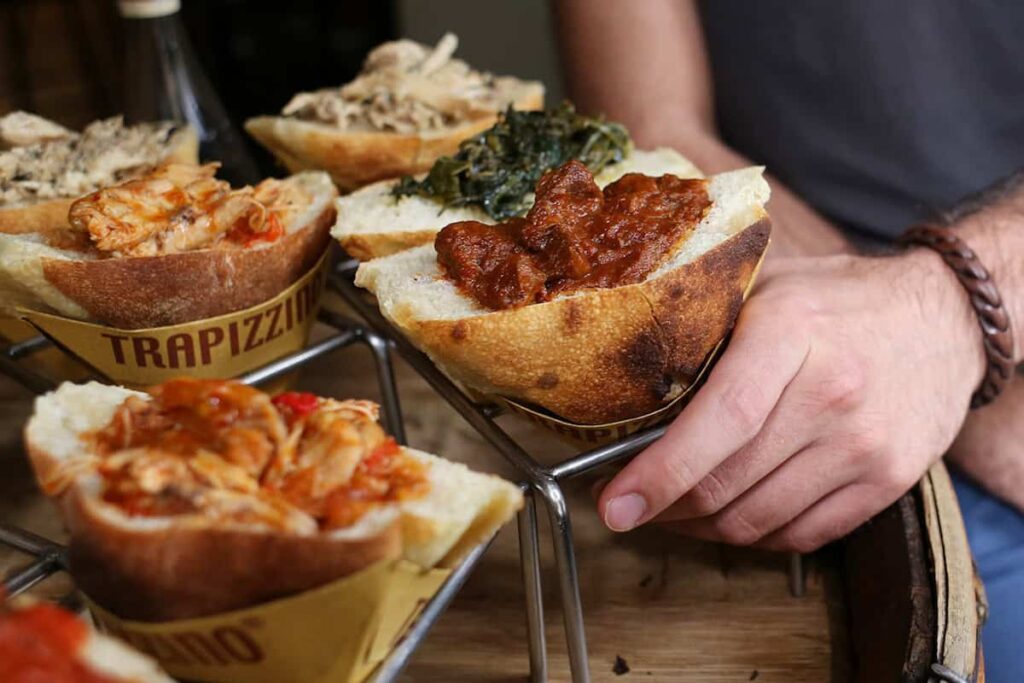
The trapizzino is barely two decades old. Stefano Callegari folded the first triangular pocket of pizza dough in Testaccio in 2008, and it now sits on counters from Ponte Milvio to Trastevere. The same lesson applies to most Rome street food to try: the repertoire is living rather than archaeological, and it keeps absorbing new ideas. Fry shops, bakeries, market stalls and gelaterie each run on their own rhythm. The city's eating geography is organised by neighbourhood, not by menu, and visitors who grasp that waste far less time walking. Four districts carry most of the weight. Testaccio, built around the covered Mercato di Testaccio, is the workshop quarter: produce stalls, butchers, and a line of modern counters under a single roof. Trastevere trades in evening density, its lanes lined with bakeries and windows selling pizza al taglio by weight. The Jewish Ghetto, compressed into the few streets beside Via del Portico d'Ottavia, is the oldest of the four and the most particular about what it serves. Monti and the lanes behind Piazza Venezia catch the overflow from the Forum, which makes them convenient and predictably busy. None of these quarters sit far apart. Testaccio to Trastevere is roughly a twenty-minute walk along the Tiber, and the Ghetto falls between Trastevere and the Capitoline. A Rome street food tour, guided or self-directed, usually strings two or three of them together rather than attempting all four in one afternoon. Practicalities shape a route more than appetite does. Counters are mostly standing-room, portions are deliberately small, and small cash notes still move faster than cards at older friggitorie. Covered markets thin out through the early afternoon while evening counters hold their crowds later, so what Romans call cibo di strada is best approached as a sequence: market halls first, then the lanes. Guided walks solve the ordering problem and the language problem at once, which is why most structured itineraries open at a market and close at a gelateria near the river. Planned well, a Rome street food to try route needs no reservations and little money beyond the food itself. The sections that follow set out the arrival window, the daily access pattern, what the dishes actually are, and the small tactics that keep a walking itinerary from stalling between stops.
“The city's eating geography is organised by neighbourhood, not by menu.”
The optimal time to experience Rome street food is between 11:00 and 19:00. This window allows visitors to access fresh batches of food while avoiding the heaviest congestion of the standard lunch and dinner peaks.
Mild, 15-22°C
Ideal temperatures for walking between stalls and markets.
Mild, 16-24°C
Cooler weather makes outdoor dining and exploring city streets comfortable.
—
Visiting between 11:00 and 19:00 ensures fresh portions without the midday rush.
Hot, 25-32°C
High temperatures can make outdoor queuing difficult during the afternoon.
Verdict: The best time for street food is mid-week from Tuesday to Thursday between 11:00 and 19:00 during the months of April or October.
Street food in Rome is accessible daily, with vendors operating across the city throughout the entire day and night. While these hours provide a general framework, please note that individual vendor availability may vary based on specific shop schedules.
Access to Rome's street food markets and public locations is entirely free. Visitors only pay for the specific food items they choose to purchase.
Verdict: A typical visitor pays nothing for access and only incurs costs based on the quantity and type of food selected from vendors.
Navigate Rome street food like a local by focusing on ingredient quality and observing subtle patterns in vendor operations.
Look for a thin, crispy crust that indicates it was fried at the correct temperature. Avoid items that look greasy or have a soggy exterior.
Authentic pizza al taglio should feature simple, seasonal ingredients rather than excessive toppings. If the pizza looks overly shiny or plastic, it often suggests the use of low-quality oils.
Watch who is waiting in line at a stall. A high number of locals standing near the counter during lunch hours is a reliable indicator of consistent quality.
Steer clear of food items sitting under heat lamps for extended periods. Fresh street food is typically prepared in small, frequent batches visible behind the counter.
Establishments offering a focused menu often specialize in perfecting a few classic items. A massive, multi-page menu displayed on the street frequently points to mass-produced, reheated fare.
Everything you need to know about rome street food to try
Classic items include supplì, fried artichokes, and pizza al taglio, which showcase the authentic flavors of the capital. These snacks are readily available throughout the city, providing a quick yet delicious taste of local culture.
The optimal arrival window to visit is 11:00–19:00, which allows you to avoid the busiest morning periods. This timeframe also ensures you catch fresh batches of popular savory treats before the evening rush begins.
There is an entrance fee of 0 EUR for all public streets and markets. You simply pay for the specific food items you choose to purchase from vendors.
Yes, exploring the city for rome street food to try reveals a variety of flavors including savory pastries and sweet treats like gelato. Many vendors have been perfecting their recipes for decades, reflecting a deep culinary tradition.
When buying a snack, simply wait for your turn in line and specify your order clearly. Most vendors operate on a cash-preferred basis, so keeping small denominations available is helpful for these casual transactions.
Many culinary options are very accessible for families, as they offer portable portions and familiar ingredients that appeal to younger palates. Guided walking experiences often provide a relaxed pace that keeps children engaged with the city sights.
Focusing your efforts between 11:00 and 19:00 is the most effective strategy to discover the best rome street food to try. Navigating the historic center during these hours minimizes crowd interference while ensuring access to the widest selection of offerings.